
Blog
Rudraksha Tree in India | History, Spiritual Importance and Benefits

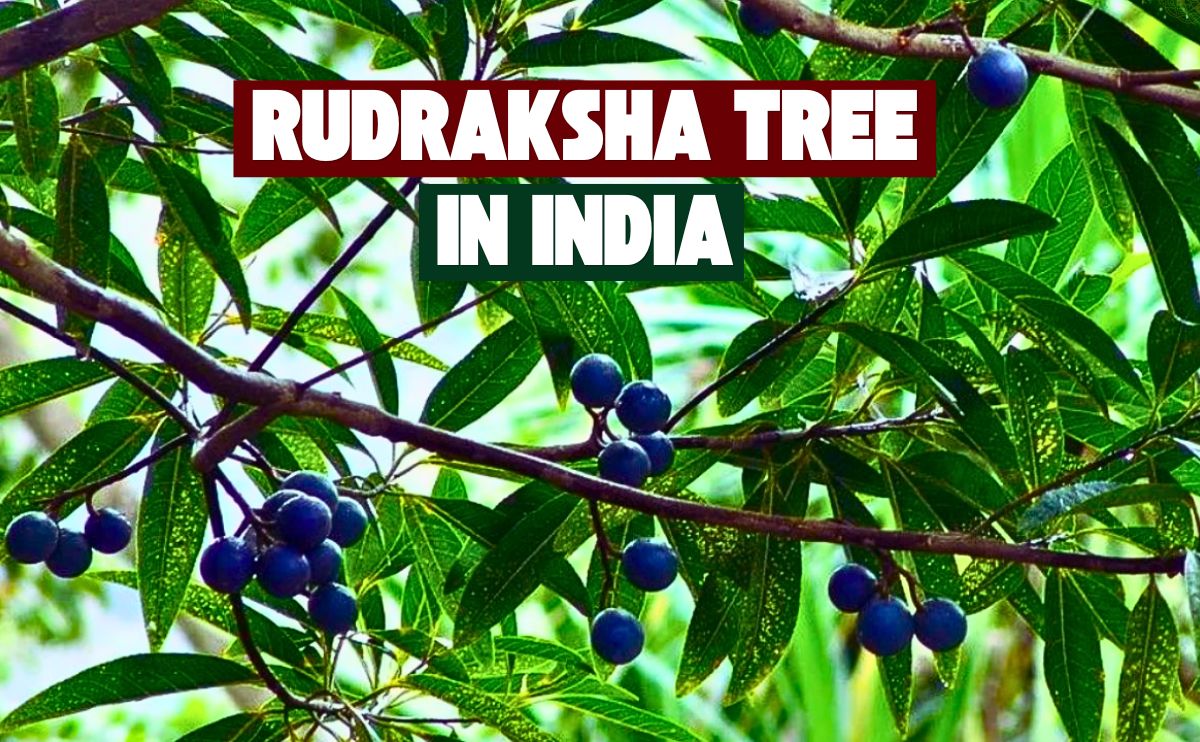
The Rudraksha Tree is one of the most sacred trees in Indian spirituality. Devotees strongly connect this divine tree with Lord Shiva and ancient meditation practices. The tree produces the holy Rudraksha beads that millions of people wear for peace, protection, positivity, and spiritual growth. Even today, saints, yogis, and spiritual seekers highly respect the Rudraksha tree because of its deep religious significance.
India has a rich spiritual history, and the Rudraksha tree holds a very important place in it. Many people know about Rudraksha beads, malas, and bracelets. However, only a few people understand the importance of the actual tree from which these sacred beads come. Moreover, the Rudraksha tree represents purity, natural energy, and divine blessings in Hindu tradition.
What is a Rudraksha Tree?
The Rudraksha tree is an evergreen tree mainly found in tropical and subtropical regions. Scientifically, experts call it Elaeocarpus ganitrus. The tree grows tall and produces blue-colored fruits that contain Rudraksha seeds inside them.
The word “Rudraksha” comes from two Sanskrit words:
- Rudra = Lord Shiva
- Aksha = Tears
According to Hindu mythology, Lord Shiva once entered deep meditation for the welfare of humanity. When he opened his eyes, tears fell on Earth. As a result, those tears transformed into sacred Rudraksha trees. Therefore, devotees consider Rudraksha beads a direct blessing of Lord Shiva.
Because of this divine story, people use Rudraksha in prayers, meditation, yoga, and spiritual rituals.
Where Do Rudraksha Trees Grow in India?
Rudraksha trees grow best in regions with cool climate, fertile soil, and proper rainfall. In India, these trees mainly grow in Himalayan and sub-Himalayan areas.
Some popular regions include:
- Uttarakhand
- Himachal Pradesh
- Sikkim
- West Bengal
- Assam
- Himalayan forest regions
Moreover, Uttarakhand is one of the most famous places for naturally grown Rudraksha trees because of its strong spiritual connection with Lord Shiva.
Apart from India, Rudraksha trees also grow in Nepal, Indonesia, and some Southeast Asian countries. However, Nepal and Indonesian Rudraksha beads remain the most popular in the spiritual market.
Physical Appearance of the Rudraksha Tree
The Rudraksha tree grows beautifully under proper environmental conditions. Usually, the tree reaches a height of around 50 to 80 feet. It has long green leaves and small white flowers. Furthermore, the fruits appear blue when fresh, which gives the tree a unique natural appearance.
Inside every fruit lies a hard Rudraksha seed. After collectors remove the outer pulp and clean the seed properly, the sacred Rudraksha bead becomes ready for use.
The surface of every bead contains natural lines known as “Mukhis.” These mukhis decide the spiritual identity and significance of the bead. Rudraksha beads are available from 1 Mukhi to 21 Mukhi and even rare higher mukhi varieties.
Spiritual Importance of the Rudraksha Tree
The Rudraksha tree carries immense spiritual value in Hindu culture. Saints and yogis have used Rudraksha beads for thousands of years during meditation and chanting practices.
People believe Rudraksha beads help:
- Improve focus during meditation
- Reduce stress and negativity
- Create positive energy
- Increase spiritual awareness
- Provide emotional balance
- Strengthen inner peace
Furthermore, many devotees believe that keeping a Rudraksha tree near temples or homes creates a peaceful spiritual atmosphere.
Ancient Hindu scriptures like Shiva Purana, Padma Purana, and Skanda Purana also describe the importance of Rudraksha in great detail. Therefore, Rudraksha continues to remain one of the most respected spiritual symbols in India.
How Rudraksha Beads are Collected
Collectors gather Rudraksha fruits only after they naturally ripen and fall from the tree. This process helps maintain the purity and natural energy of the bead.
After collection, workers soak the fruits in water to soften the outer layer. Then they carefully remove the pulp and clean the seeds. Finally, they dry the Rudraksha beads naturally before sorting them according to mukhis, size, and quality.
Moreover, natural Rudraksha beads always have unique texture and original mukhi lines. Genuine beads do not require artificial carving or modification.
Benefits of Rudraksha Beads
People across the world wear Rudraksha beads for spiritual and personal reasons. Different mukhis provide different spiritual benefits according to ancient beliefs.
Spiritual Benefits
- Supports meditation and chanting
- Helps create spiritual discipline
- Increases positive vibrations
- Strengthens connection with divine energy
Mental Benefits
- Helps calm the mind
- Reduces anxiety and stress
- Supports emotional stability
- Improves concentration levels
Lifestyle Benefits
Many people wear Rudraksha daily because it helps them maintain positivity and peaceful thinking. In addition, spiritual practitioners often use Rudraksha malas during yoga sessions and religious activities.
Nepal Rudraksha vs Indonesian Rudraksha
The Rudraksha tree grows in both Nepal and Indonesia. However, the beads differ slightly in appearance and texture.
Nepal Rudraksha
- Larger bead size
- Deep mukhi lines
- Strong spiritual appearance
- Highly preferred for spiritual use
Indonesian Rudraksha
- Smaller and smoother
- Lightweight for daily wear
- Fine mukhi lines
- Comfortable for malas and bracelets
Both types carry spiritual importance. However, people choose them based on personal preference and spiritual requirements.
Can You Grow a Rudraksha Tree at Home?
Yes, many people now grow Rudraksha trees at home and in spiritual gardens. However, the tree requires proper care and patience because it takes years to produce fruits.
To grow a healthy Rudraksha tree, you need:
- Warm and humid climate
- Proper sunlight
- Fertile and well-drained soil
- Regular watering
Moreover, many devotees believe that planting a Rudraksha tree near the house brings positivity, peace, and divine blessings.
How to Identify Original Rudraksha
Due to high demand, many fake Rudraksha beads are available in the market today. Therefore, buyers should always purchase from trusted spiritual sellers.
You can identify original Rudraksha through:
- Natural mukhi lines
- Original texture
- Proper bead structure
- No artificial carving
Furthermore, certified laboratory testing can help confirm authenticity.
Always avoid artificially modified or chemically treated beads because they may not carry original spiritual value.
Rudraksha and Meditation
Meditation practitioners strongly connect Rudraksha with mental peace and concentration. Many yogis use Rudraksha malas during mantra chanting because the beads help stabilize the mind.
Moreover, spiritual teachers believe Rudraksha creates calming vibrations around the body. As a result, many people feel mentally relaxed and spiritually connected while using Rudraksha during meditation.
Even today, Rudraksha malas remain highly popular among yoga practitioners, saints, and spiritual seekers across India and the world.
Conclusion
The Rudraksha tree in India represents spirituality, devotion, positivity, and divine connection. From ancient scriptures to modern meditation practices, Rudraksha continues to inspire millions of people worldwide.
Its sacred beads hold deep spiritual importance and remain an important part of Hindu culture. Moreover, people value Rudraksha for meditation, positivity, emotional balance, and spiritual discipline.
If you are searching for original Rudraksha beads, malas, bracelets, and spiritual products, always choose authentic and trusted sources for genuine quality.
At Rudra Bliss, we offer premium-quality original Rudraksha products carefully selected for authenticity, spiritual value, and purity. Explore our collection and experience the divine power of genuine Rudraksha beads.
-
Product on sale
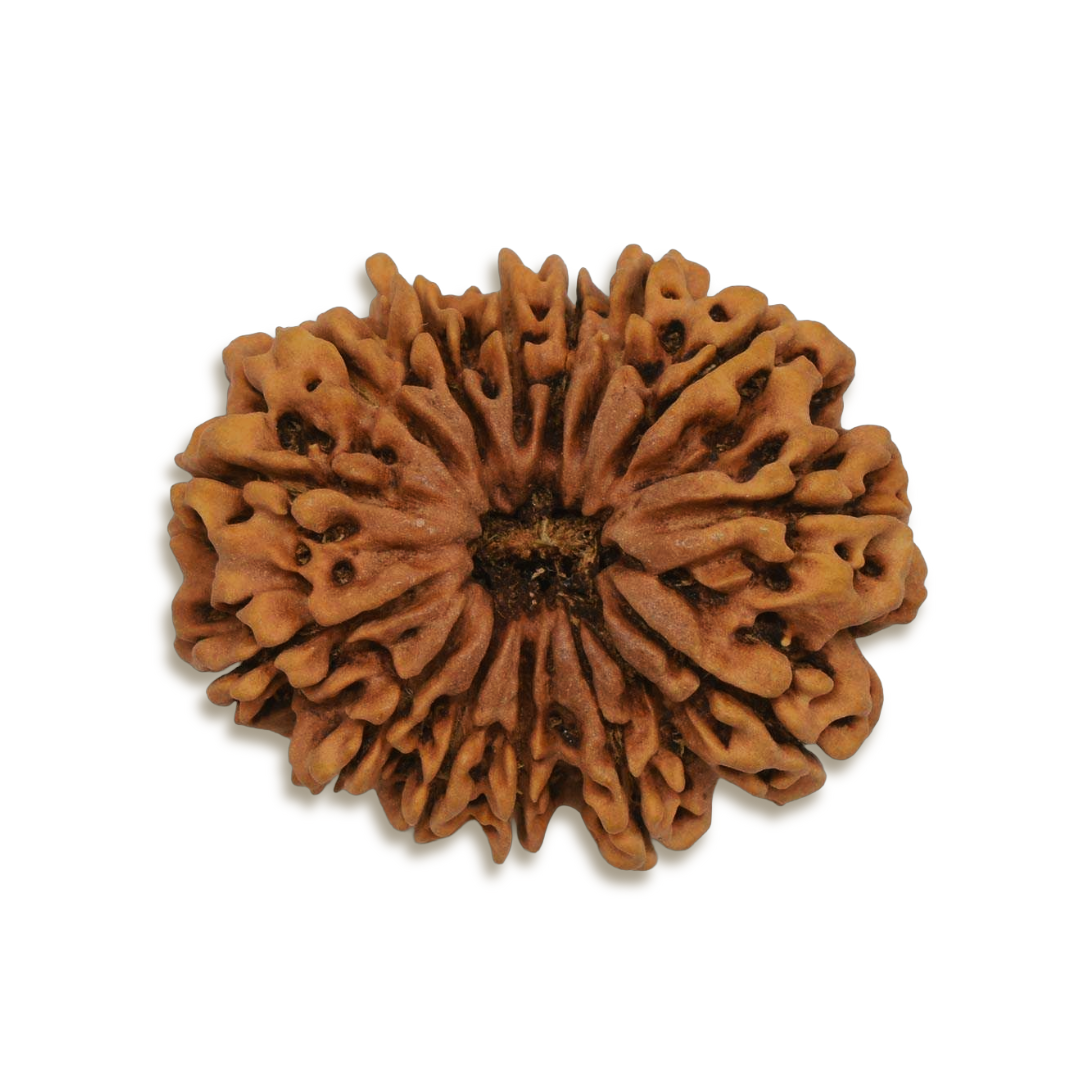 14 Mukhi Nepal Rudraksha – 26mm-30mm SizePrice range: ₹32,999.00 through ₹42,999.00
 -
Product on sale
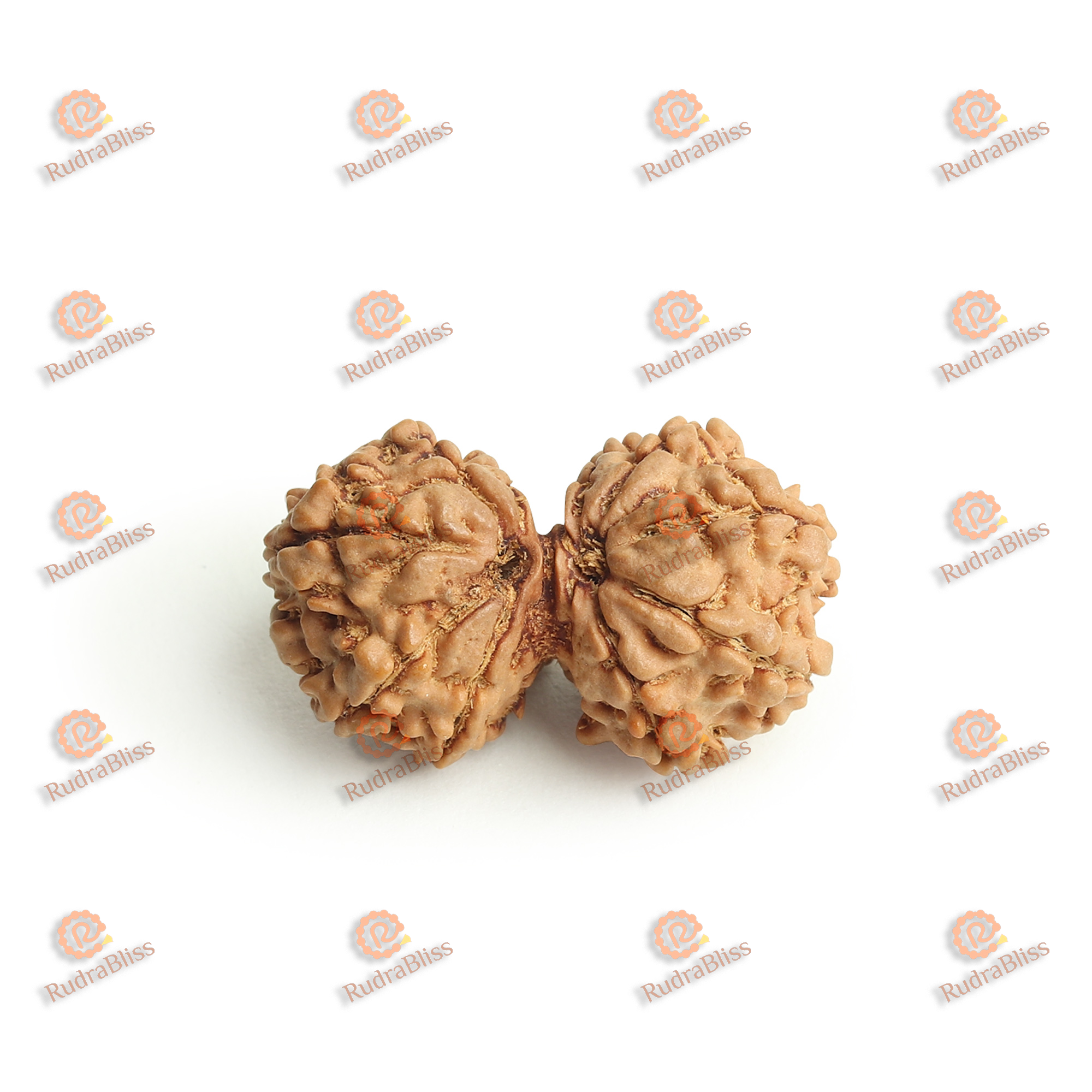 Gauri Shankar Rudraksha – NepalOriginal price was: ₹10,000.00.₹8,500.00Current price is: ₹8,500.00.
 -
Product on sale
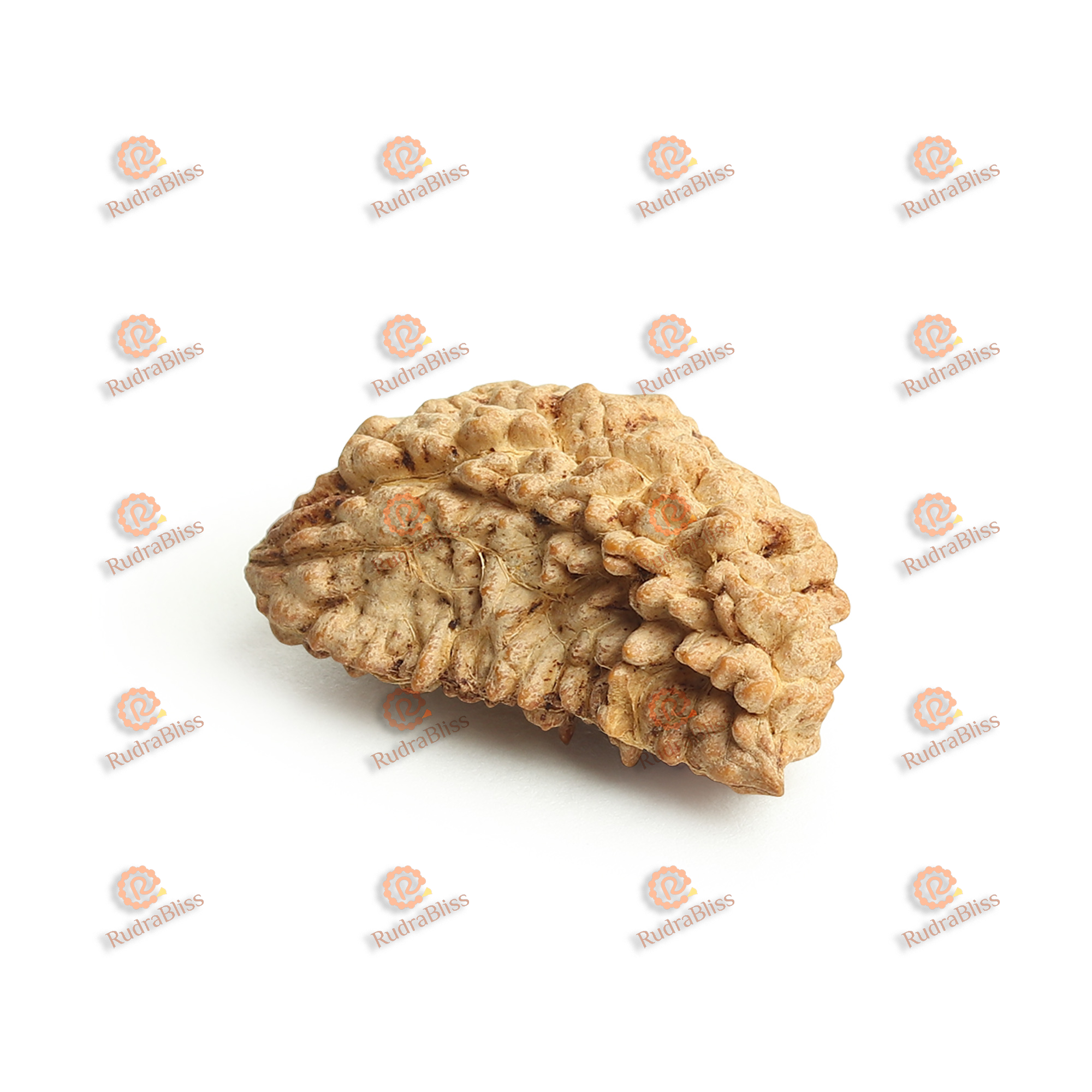 1 Mukhi Rudraksha (Kaju Dana) – 42.61 MMOriginal price was: ₹10,000.00.₹6,499.00Current price is: ₹6,499.00.
 -
Product on sale
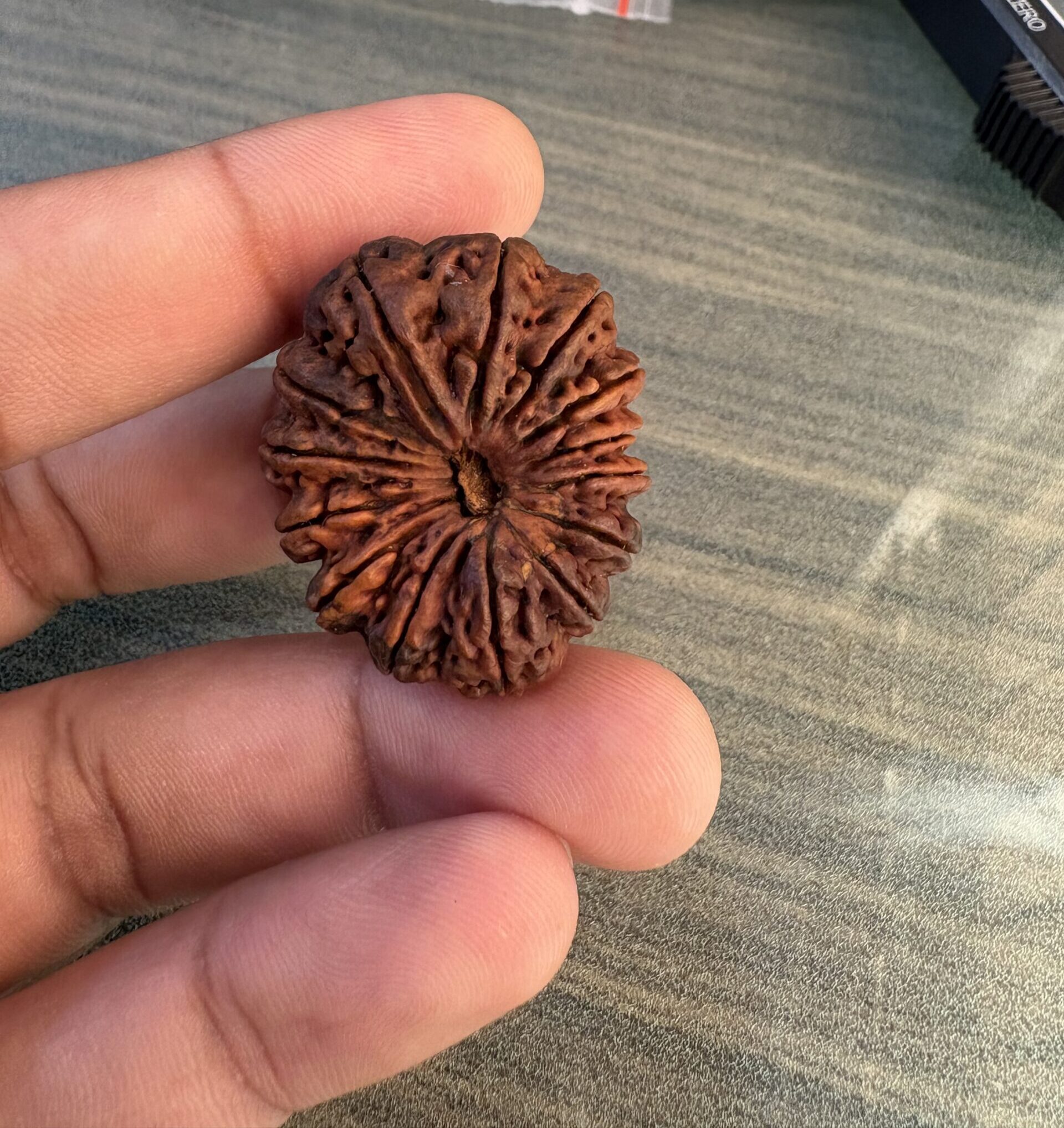 14 Mukhi Rudraksha Nepal 32.21mmOriginal price was: ₹60,000.00.₹40,000.00Current price is: ₹40,000.00.
 -
Product on sale
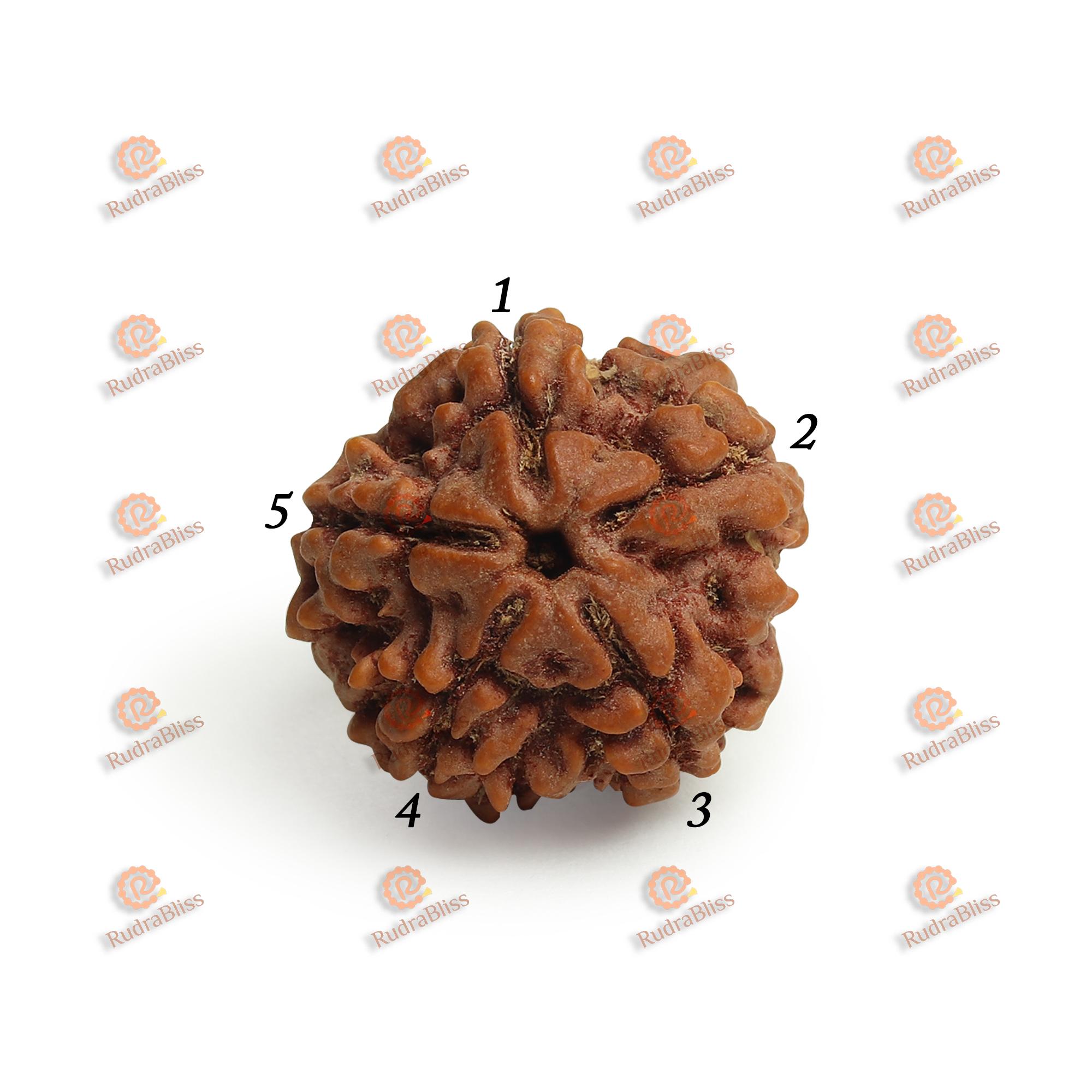 5 Mukhi Rudraksha – Nepal – 22MM | Silver PendantOriginal price was: ₹2,100.00.₹1,299.00Current price is: ₹1,299.00.
 -
Product on sale
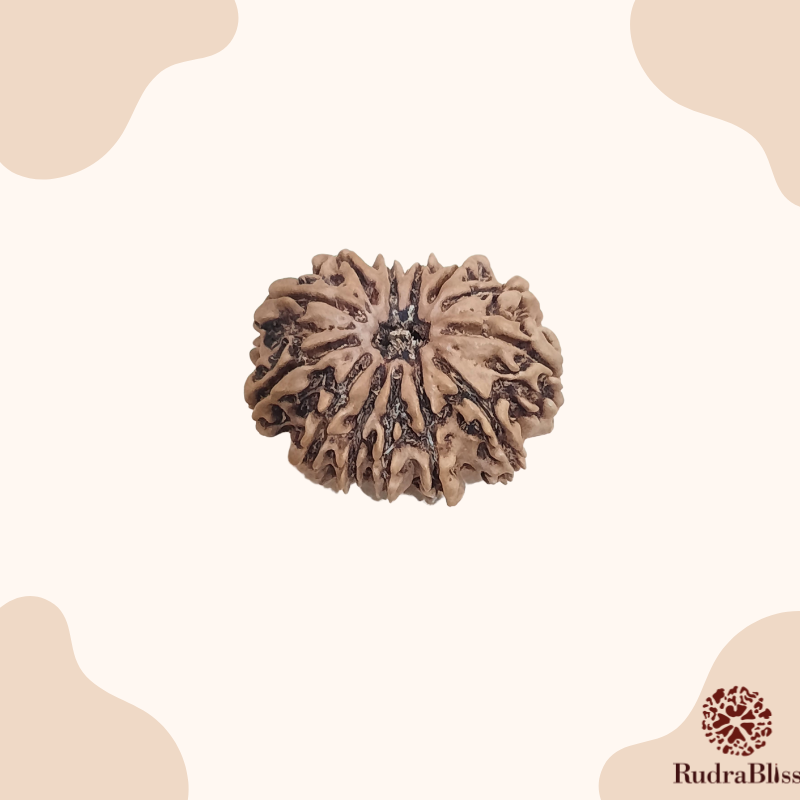 13 Mukhi Rudraksha Nepal 28mm Size (Collector Bead)Original price was: ₹15,000.00.₹9,999.00Current price is: ₹9,999.00.
 -
Product on sale
 13 Mukhi Rudraksha – Nepal – 25mm SizePrice range: ₹6,499.00 through ₹7,499.00
 -
Product on sale
 10 Mukhi Rudraksha – Nepal – 21mmOriginal price was: ₹2,800.00.₹1,599.00Current price is: ₹1,599.00.
 -
Product on sale10 Mukhi Rudraksha – Nepal – 21mmOriginal price was: ₹2,500.00.₹1,499.00Current price is: ₹1,499.00.