
Blog
How to Wear 1 Mukhi Rudraksha: Puja Vidhi, Mantra and Rules

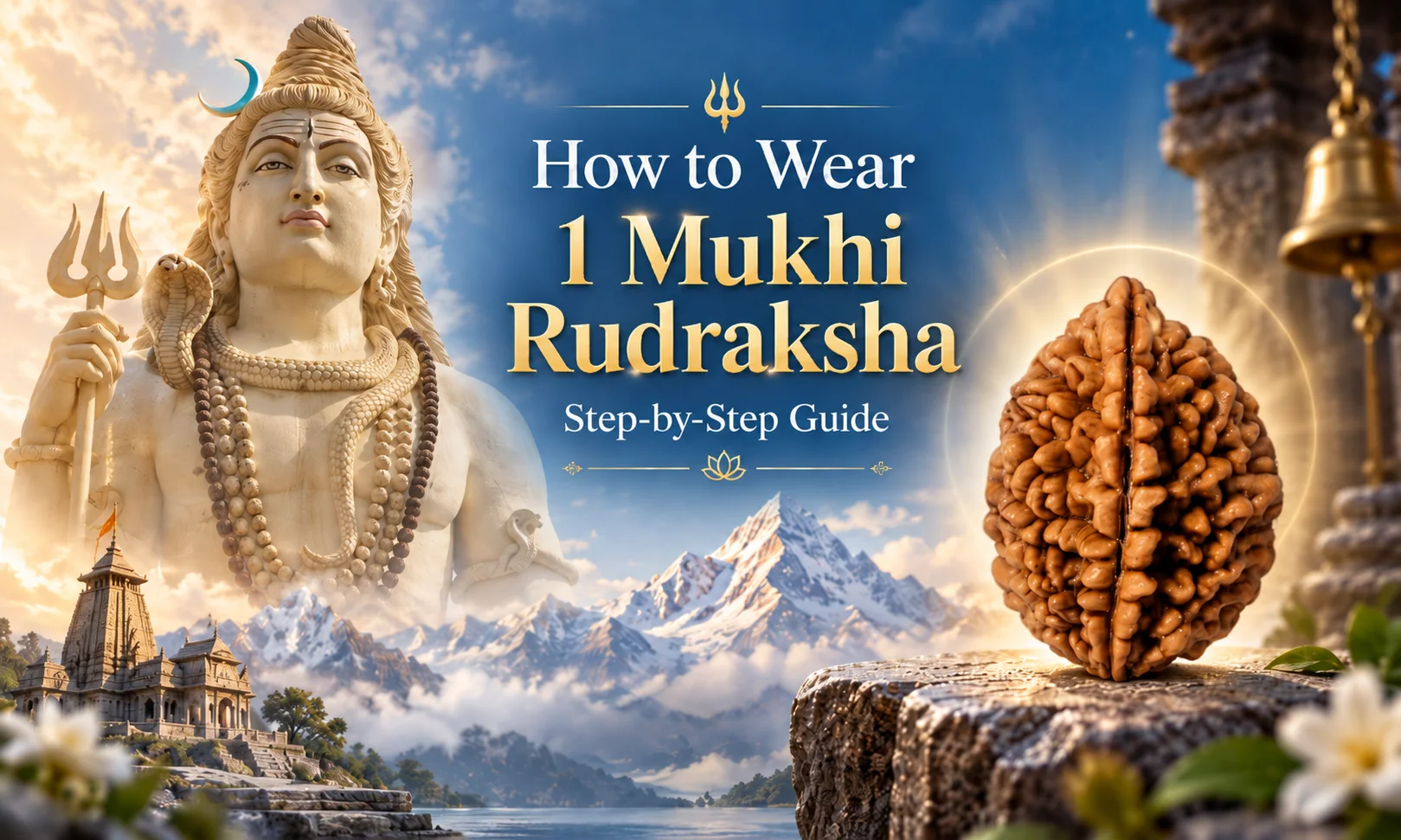
The 1 Mukhi Rudraksha is one of the most revered beads in Hindu spiritual tradition. Also known as Ek Mukhi Rudraksha or One Face Rudraksha, it is associated with Lord Shiva and represents the idea of oneness and supreme consciousness. Devotees often wear it to deepen their spiritual practice and maintain a personal connection with Shiva.
If you are wondering how to wear 1 Mukhi Rudraksha, the process does not need to be complicated. Choose an authentic bead, clean it gently, offer prayers to Lord Shiva, chant a suitable mantra, and wear it in a secure pendant. You can then continue your regular prayer or meditation routine.
However, different spiritual traditions may follow different rituals. This guide explains a simple, respectful wearing method while also covering the best day, suitable thread or metal, daily care, and common questions.
Understanding the Spiritual Significance of 1 Mukhi Rudraksha
The word Rudraksha is traditionally understood as “the tears of Rudra,” a name associated with Lord Shiva. Rudraksha beads come from the dried stones of trees belonging to the Elaeocarpus genus, and different types are identified by their natural mukhi, or faces.
In the case of 1 Mukhi Rudraksha, the single face holds symbolic importance. It represents unity, the ultimate reality, and the spiritual journey beyond attachment and distraction. For this reason, devotees associate the bead with meditation, self-awareness, and the pursuit of moksha.
These associations belong to religious and spiritual tradition. They should not be understood as proven medical effects or guarantees of particular results.
What to Check Before Wearing an Original 1 Mukhi Rudraksha
Because 1 Mukhi Rudraksha is rare and valuable, authenticity deserves attention before the wearing ceremony. A bead should not be considered genuine simply because it has an unusual shape, a high price, or a seller’s assurance.
Ask for clear photographs of the actual bead and examine its natural surface. The claimed mukhi should be naturally formed rather than artificially carved. You should also review the seller’s information about the bead’s origin, size, and condition.
For a valuable purchase, an independent laboratory report can provide additional confidence. Depending on the bead and the laboratory, examination may include magnification and internal imaging. However, no single photograph or home test should be treated as absolute proof of every aspect of authenticity. Water-floating and copper-coin tests are not reliable substitutes for proper examination.
Also, remember that the appearance and classification of 1 Mukhi Rudraksha can vary by botanical variety and origin. Therefore, do not assume that every crescent-shaped or round seed sold under the same name is identical. Compare the actual product details before making a decision.
Best Day and Time to Wear 1 Mukhi Rudraksha
Monday is traditionally preferred for wearing 1 Mukhi Rudraksha because the day is dedicated to Lord Shiva. Many devotees also choose Maha Shivaratri or an auspicious Monday during the Shravan month.
The morning, after bathing and wearing clean clothes, is a convenient time to perform the initial puja. You may choose a quiet period when you can pray without interruption.
Nevertheless, there is no universally accepted rule that makes one exact date or hour compulsory for every devotee. If your family follows a particular muhurat or your guru has given specific instructions, you may follow that tradition. Otherwise, a simple Monday morning prayer is a suitable way to begin.
-
Product on sale
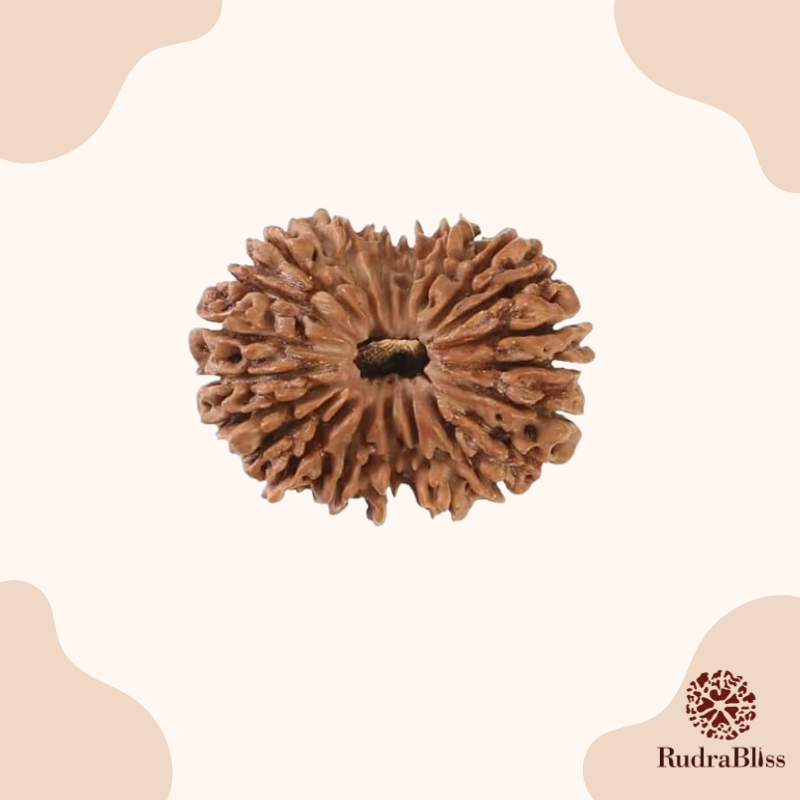 21 Mukhi Rudraksha Nepal -27mmOriginal price was: ₹2,000,000.00.₹1,055,000.00Current price is: ₹1,055,000.00.
 -
Product on sale
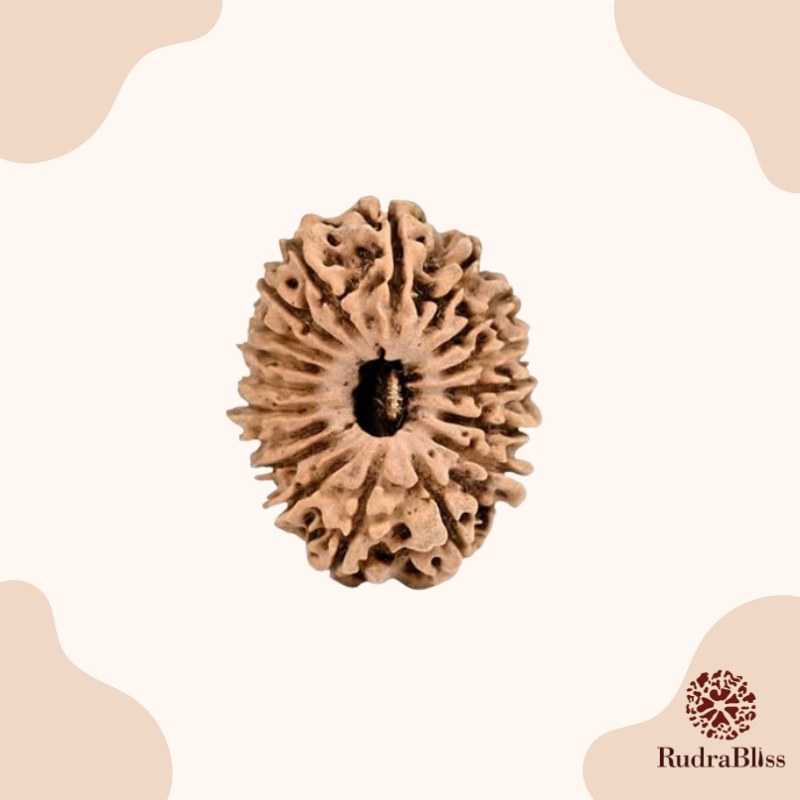 21 Mukhi Rudraksha Nepal -26mmOriginal price was: ₹1,800,000.00.₹990,000.00Current price is: ₹990,000.00.
 -
Product on sale
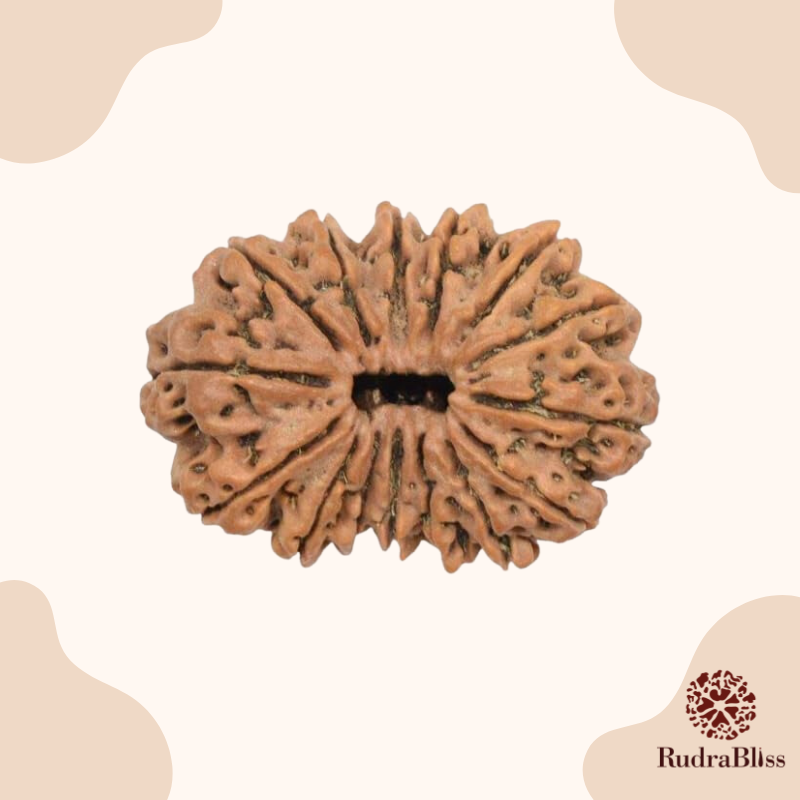 21 Mukhi Rudraksha Nepal -22mmOriginal price was: ₹1,600,000.00.₹845,000.00Current price is: ₹845,000.00.
 -
Product on sale
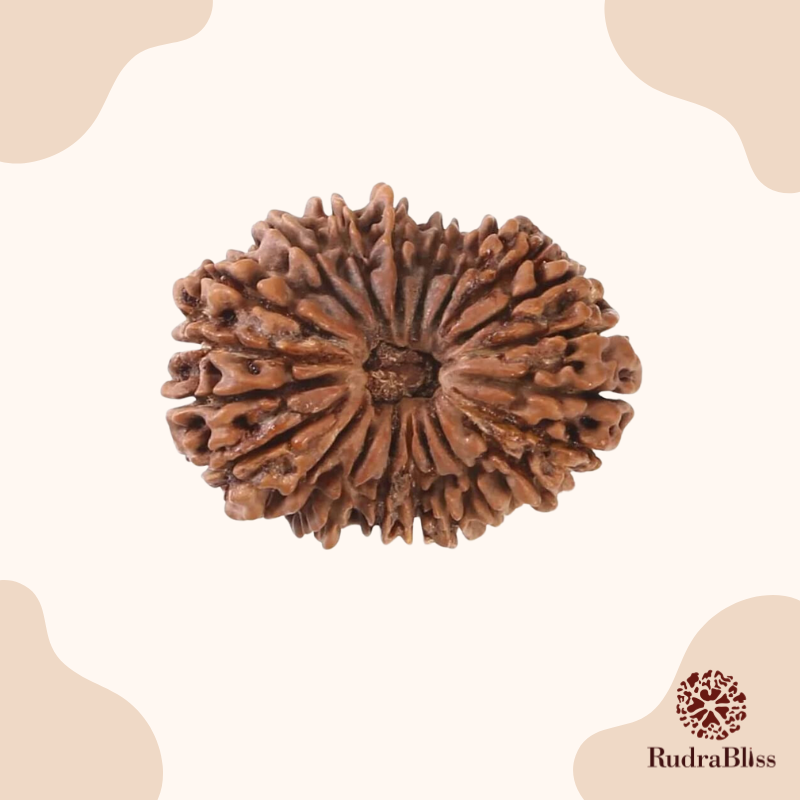 21 Mukhi Rudraksha Nepal- 24mmOriginal price was: ₹1,800,000.00.₹889,000.00Current price is: ₹889,000.00.
How to Wear 1 Mukhi Rudraksha for the First Time
The following step-by-step method combines commonly followed Shiva worship practices with practical care for the bead.
Step 1: Arrange the Items for the Puja
Choose a clean and peaceful place in your home. You may place an image of Lord Shiva or a Shiva Lingam on your puja altar.
Keep the following items ready:
- Your 1 Mukhi Rudraksha
- Clean water or Gangajal
- A clean cotton cloth
- Flowers or bilva leaves, if available
- Sandalwood paste, if desired
- A diya or incense, used safely
- A suitable thread, chain, or pendant mounting
You do not need to purchase every item to perform the ceremony. Use what is available and follow the customs of your family.
Step 2: Clean the Bead Carefully
Before wearing the Rudraksha, remove any dust with a soft cloth. You may rinse it briefly with clean water or Gangajal and then dry it carefully.
Some devotees include milk, honey, or panchamrit in their worship. If you follow such a ritual, keep the exposure brief and remove any residue afterward. Avoid prolonged soaking, harsh chemicals, and unnecessary handling, especially with a rare bead.
If the Rudraksha has already been prepared or consecrated by a particular spiritual institution, follow the care instructions provided with it rather than applying a different ritual automatically.
Step 3: Offer the Rudraksha to Lord Shiva
Place the bead on a clean cloth or plate before Lord Shiva. Offer flowers or bilva leaves if they are part of your worship practice.
You may then make a simple sankalp, or personal intention. For example, you can pray for wisdom, spiritual discipline, and the ability to live with greater awareness.
The purpose of this step is to begin your practice with sincerity. There is no need to make elaborate promises or expect an immediate change in your circumstances.
Step 4: Chant the 1 Mukhi Rudraksha Mantra
The most commonly used mantra for Shiva worship is:
ॐ नमः शिवाय
Om Namah Shivaya
You may chant this mantra 108 times while sitting comfortably. If you are new to mantra chanting, you can begin with 11 or 21 repetitions and gradually develop a consistent practice.
Another mantra traditionally associated with 1 Mukhi Rudraksha is:
ॐ ह्रीं नमः
Om Hreem Namah
Choose the mantra followed by your family, guru, or spiritual tradition. If you have received a specific mantra through initiation, give priority to that guidance.
Step 5: Wear the Rudraksha Pendant
After completing the prayer, hold the bead respectfully and wear it around your neck. You may gently touch it to your forehead before wearing it if that is part of your tradition.
Make sure the pendant sits comfortably and the thread or chain is secure. The bead should not be squeezed tightly by its mounting or exposed to unnecessary pressure.
You can conclude the ceremony by chanting “Om Namah Shivaya” a few more times and offering your gratitude to Lord Shiva.
Which Thread or Metal Is Best for 1 Mukhi Rudraksha?
A single 1 Mukhi Rudraksha is commonly worn as a pendant. Cotton or silk thread is a simple traditional choice, while silver or gold may be used for a more durable setting. Some traditions also use copper.
The most important practical consideration is the safety of the bead. Choose a mounting that holds it securely without cutting, drilling unnecessarily, or placing excessive pressure on its natural structure.
If you prefer direct skin contact, you may select a comfortable pendant design. However, the bead does not need to be pressed tightly against the body. Comfort and proper care should guide your choice.
Can You Wear 1 Mukhi Rudraksha Every Day?
Yes, many devotees wear Rudraksha daily as part of their spiritual routine. Once you have completed the initial ceremony, you do not need to repeat the full puja every morning.
You can begin the day with a short prayer or a few repetitions of Om Namah Shivaya. During meditation, the bead may serve as a reminder to return your attention to your chosen practice.
If you need to remove it for bathing, sports, medical procedures, or other practical reasons, place it in a clean and safe location. There is no need to worry that removing it temporarily will automatically cause harm.
Important Wearing Rules and Daily Care
Rudraksha is a natural seed, so proper care helps preserve its condition. Avoid treating it like an ordinary piece of jewellery that can withstand every activity.
Remove the bead before using chemical soaps, shampoo, perfume, or cleaning products. Prolonged exposure to hot water and chemicals may damage natural Rudraksha. When you are not wearing it, keep it on a clean cloth or in a suitable pouch.
You should also inspect the thread and pendant fitting regularly. If the thread becomes weak or the mounting loosens, repair it before wearing the bead again.
Different traditions follow different rules concerning food, sleep, and other daily activities. These practices are not universal. If you follow a particular lineage, respect its guidance. Otherwise, focus on cleanliness, respectful handling, and a sincere spiritual routine.
Can Anyone Wear 1 Mukhi Rudraksha?
There is no universal rule restricting Rudraksha to a particular gender, profession, or age group. Men and women may wear it according to their personal beliefs and spiritual traditions.
However, because 1 Mukhi Rudraksha is rare and often expensive, it is sensible to understand the product and its significance before purchasing. If you have questions about a specific religious practice, consult a knowledgeable priest or spiritual guide.
You may also choose to keep the bead in your puja room rather than wear it. This is a practical option for someone who prefers to use it during prayer or meditation.
Frequently Asked Questions
Is it compulsory to wear 1 Mukhi Rudraksha on Monday?
No. Monday is traditionally considered auspicious for Shiva worship, but it is not a universal requirement. You may follow your family’s customs or begin on another suitable day.
Should 1 Mukhi Rudraksha touch the skin?
Some devotees prefer direct skin contact, but it is not necessary to wear the bead uncomfortably. A secure pendant that protects the bead is a practical choice.
Can I wear 1 Mukhi Rudraksha with other Rudraksha beads?
Many traditions allow different Rudraksha beads to be worn together. However, if you follow a prescribed combination or have received specific instructions from a guru, follow that guidance.
Do I need a priest to energize 1 Mukhi Rudraksha?
A priest-led ceremony is not compulsory in every tradition. You may perform a simple Shiva puja at home, while those who prefer a formal prana pratishtha or other ritual may consult a qualified priest.
What should I do if my Rudraksha gets damaged?
Stop wearing it if the bead is cracked, the mounting has damaged it, or its condition is uncertain. Seek advice from a knowledgeable seller or spiritual guide before attempting repairs. Do not use glue, sharp tools, or chemicals without understanding their effect on the bead.